Well Pump In Grouped Product View
Davey’s collection of well pumps are water system devices with high-lifting capability, drawing hydration below the surface of any sizes through its inlet, and features a robust shell for the outdoors.
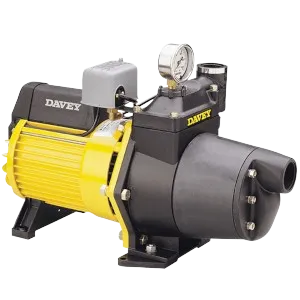


Well Pump In Individual Product View
Shallow Well Water Jet Pump
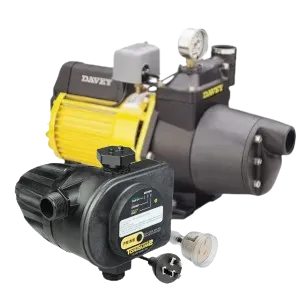
Deep Well Water Jet Pump
Prime Jet 240 Deep Well Pump
Borehole Pump
Double Case Submersible Water Pump
General Purpose Dewatering Pump
Residential High Head Drainage Pump


Vortex Sump Pump
Well Water Pump By Davey
The history of the well water pump can be traced back thousands of years when antique societies developed simple devices to lift water from wells, rivers, and underground sources. Early water-lifting systems such as shadufs, chain pumps, and manual bucket systems were commonly used in agriculture and residential communities. These early inventions played an important role in supplying water for drinking, irrigation, and livestock farming. As populations grew, the demand for more efficient methods of moving water led to the development of increasingly advanced pump technologies.
During the Industrial Revolution, pump engineering evolved significantly. Improvements in metallurgy and manufacturing allowed the production of stronger and more reliable pumps capable of handling larger volumes of water. The introduction of mechanical pumping systems enabled users to draw water from deeper wells, making groundwater more accessible for homes, farms, and commercial activities. Many of the principles used in modern water well pumps originated during this period.
As technology advanced further, pumps became more specialized for different applications. Today, well pumps are designed according to specific requirements such as well depth, water demand, flow rate, and operating environment. Modern pumping systems include electric pumps, solar-powered pumps, jet pumps, and submersible pumps, offering efficient solutions for residential, agricultural, municipal, and industrial water supply systems.
Progression into Electric Pumps
The development of electricity transformed the pumping industry. Before electric motors became widely available, many pumps relied on manual operation, steam power, windmills, or internal combustion engines. These systems often required significant labor and maintenance. The arrival of electric motors provided a more reliable and efficient way to operate pumps continuously, reducing operating costs while improving performance.
Modern electric well water pump systems offer consistent water delivery and can operate automatically through pressure switches and control systems. Electric pumps are now commonly installed in residential properties, commercial buildings, farms, and community water supply networks. Their ability to provide dependable water pressure and continuous operation has made them the preferred choice for most modern well systems.
Introduction to Well Water Pumps
A well water pump is a device that draws water from a well and delivers it to a storage tank, pressure tank, irrigation system, or distribution network. In simple terms, a well pump serves as the heart of a well water system, ensuring that water reaches homes, agricultural facilities, commercial properties, and other users. These systems are specifically engineered to lift groundwater from underground sources where surface water is unavailable or unreliable.
Most well water pumps are designed as high-lifting capability devices capable of transporting water from significant depths. Depending on the installation, the pump may be located above ground or inside the well itself. Some pumps rely on suction, while others push water upward from deep underground sources. Whether used for residential water supply or large-scale agricultural operations, selecting the correct pump is essential for long-term efficiency and reliability.
Among the most common configurations are submersible water pumps, deep well self priming pump systems, jet pumps, and centrifugal pumps. A submersible water pump is a sealed device that operates fully underwater, while a submersible pump can go straight into the water and push water upward efficiently. In contrast, shallow well pumps typically use a jet pump mechanism to draw water from relatively shallow underground sources. Understanding the differences between these systems helps property owners find the best well pump for their specific requirements.
Applications of Well Water Pumps
A well water pump is one of the most versatile water system devices available today. It is used to draw groundwater from wells and distribute it wherever a reliable water supply is required. From homes and farms to construction sites and municipal water systems, well water pumps provide a dependable source of water in locations where surface water may be unavailable, seasonal, or insufficient.
Residential Water Supply: In residential settings, a well water pump for house is essential for delivering clean and consistent water supply to daily household activities. Homeowners rely on water well pumps to supply water for bathing, cooking, washing machines, and gardening. Typically, the system includes a pressure tank, control switch, and piping system as shown in a typical well water diagram house system, ensuring stable pressure throughout the home.
Many residential users choose either a 1HP well water pump or a submersible water pump depending on well depth. A submersible pump pushes water upward directly from the underground source, making it efficient for deeper wells. For shallow installations, shallow well pumps use a jet pump to operate, offering a more affordable solution. Homeowners often also compare well water pump price and replacement cost when selecting the best system for long-term use.
Agricultural Irrigation: Agricultural irrigation is one of the largest uses of a well water pump, especially in rural and plantation-based economies. Farmers depend on water well pumps to extract groundwater and distribute it across fields to ensure crops receive adequate moisture throughout the growing season. A reliable pump well water system helps improve crop yield and reduces dependency on rainfall.
For large farms, deep well submersible pumps are commonly used because they can operate efficiently at significant depths. A submersible pump pushes water upward continuously, making it ideal for irrigation systems that require long operating hours. In some cases, farmers also use a Deep Well Self Priming Pump to support high-volume water extraction. These systems are especially useful in rice fields, palm oil plantations, vegetable farms, and greenhouse irrigation setups.
Livestock Farming: Livestock farming requires a constant and reliable water supply for animals such as cattle, goats, sheep, and poultry. A properly installed well water pump ensures clean water is available at all times, supporting animal health and farm productivity. Without a stable water well pump system, livestock operations may face serious disruptions in daily feeding and hydration routines.
Farmers often choose durable submersible water pumps or centrifugal systems depending on farm size and water demand. Since livestock farms operate continuously, energy-efficient pumps with strong motors are preferred. A 1HP well water pump may be sufficient for small farms, while larger operations require more powerful deep well submersible pumps. Proper maintenance also helps reduce replacement cost over time, making the system more cost-effective.
Commercial Buildings: Commercial buildings such as hotels, factories, office complexes, and shopping centers often use a well water pump as a primary or backup water supply system. These buildings require consistent water pressure for toilets, kitchens, cooling systems, and cleaning operations. A properly designed pump well water system helps reduce dependence on municipal water while lowering operational costs.
In commercial settings, high-capacity water well pumps are typically installed, often combined with storage tanks and pressure systems. Depending on the building size and water demand, operators may install deep well submersible pumps or centrifugal pumps. Many businesses also evaluate well water pump price and long-term efficiency before installation, as energy consumption and maintenance costs play a major role in operational budgeting.
Construction Dewatering: Construction sites often encounter groundwater during excavation, making a well water pump essential for dewatering processes. These pumps are used to remove excess water from foundations, trenches, and underground structures to ensure safe and stable working conditions. Without an efficient water well pump system, construction projects may face delays, structural risks, and safety hazards.
Heavy-duty submersible pumps are commonly used because they can operate directly in water-filled environments. A submersible water pump is a sealed device that operates fully underwater, making it ideal for muddy or unstable excavation sites. Contractors often select pumps based on durability, flow rate, and ability to handle debris such as sand and silt commonly found in construction areas.
Municipal / Community Water Supply: Municipal and community water systems rely heavily on large-scale well water pumps to supply water to residential areas, schools, hospitals, and public infrastructure. These systems extract groundwater from deep aquifers and distribute it through centralized pipelines. A properly designed pump well water system ensures clean and reliable water access for entire communities.
In rural or developing regions, deep well submersible pumps are often installed due to their ability to lift water from extreme depths. These systems operate continuously and are designed for long-term durability. Municipal operators also consider well water pump price, maintenance schedules, and replacement cost when designing infrastructure, as long-term reliability is essential for public water supply systems.
Characteristics of Well Water Pumps
Modern well water pumps are designed to operate efficiently under a wide range of conditions. Their performance depends on factors such as motor power, construction materials, well depth, water quality, and system design. Understanding these characteristics helps users select the most suitable pump for their requirements.
Powerful Motor for Lifting Water from Underground Sources: One of the defining features of a well water pump is its ability to lift water from deep underground sources. Unlike standard surface pumps, well pumps are specifically engineered to overcome significant vertical distances while maintaining adequate water pressure.
Motor power varies depending on application requirements. Smaller residential installations may use a 1HP well water pump, while larger agricultural and commercial systems often require more powerful motors capable of supporting higher flow rates and deeper wells.
Durable Construction Materials: The durability of a well water pump largely depends on the materials used in its construction. Manufacturers commonly utilize stainless steel, cast iron, bronze, and advanced thermoplastics to ensure long service life under demanding conditions.
Stainless steel is particularly popular because of its excellent corrosion resistance, especially in groundwater environments. Cast iron provides strength and durability, while thermoplastics offer lightweight construction and resistance to chemical exposure.
Designed According to Well Depth, Flow Rate, and Water Demand: No single pump is suitable for every application. Well pumps are carefully selected based on factors such as well depth, desired flow rate, and total water demand.
For example, shallow well pumps use a jet pump to operate effectively in wells with limited depth, while deep well submersible pumps are better suited for deeper groundwater sources. Proper sizing helps maximize efficiency while preventing unnecessary energy consumption.
Ability to Handle Groundwater with Sand, Silt, or Minerals: Groundwater quality can vary significantly depending on location and geological conditions. Some wells contain sand, silt, dissolved minerals, or other naturally occurring particles that may affect pump performance.
Modern well water pumps are often designed with wear-resistant components and specialized impellers to withstand these challenging conditions. Selecting a pump capable of handling local water quality helps reduce maintenance requirements and prolong equipment lifespan.
Energy-Efficient Operation for Continuous Water Supply: Energy efficiency has become increasingly important in modern pumping systems. Manufacturers now design pumps to deliver high performance while minimizing electricity consumption.
An energy-efficient well water pump can significantly reduce operating costs over its service life. This is particularly beneficial for agricultural operations, commercial facilities, and municipal systems that require continuous water delivery throughout the year.
Different Impeller Designs Depending on Water Conditions: Impellers are critical components that determine how water moves through a pump. Different impeller designs are used to accommodate varying water conditions and performance requirements.
Clean water applications may utilize high-efficiency impellers designed for maximum flow, while groundwater containing sand or suspended particles may require more durable designs. Proper impeller selection contributes to improved reliability, efficiency, and overall pump performance.
Types of Well Water Pumps
Different types of well water pumps are available to accommodate varying well depths, water demands, and installation requirements. Choosing the right well water pump is essential for achieving efficient water delivery, reliable performance, and long-term operational efficiency. Factors such as groundwater depth, flow rate, water quality, and system capacity all influence the selection of the most suitable pump for residential, agricultural, commercial, and community water supply applications.
Modern water well pumps are available in several configurations, including submersible well pumps, jet pumps, centrifugal well pumps, and solar-powered well pumps. Each type is designed to perform under specific operating conditions and offers unique advantages depending on the application. Whether selecting a well water pump for a house, an irrigation system, or a large-scale groundwater extraction setup, understanding the different pump types helps users make informed decisions. Manufacturers such as Davey offer a wide range of well water pumping solutions, including Davey well water pump systems designed to deliver reliable performance, energy efficiency, and long-term durability across various environments.
Submersible Well Pumps: A submersible well pump is one of the most efficient types of well water pumps, designed to operate fully underwater inside the well. Because a submersible water pump is a sealed device that operates fully underwater, it avoids priming issues and delivers consistent water pressure. These pumps are widely used in residential, agricultural, and municipal systems due to their reliability.
A submersible pump pushes water upward directly from deep underground sources, making it ideal for high-demand applications. Many users choose deep well submersible pumps for deeper installations, while brands like Davey well water pump provide durable solutions for long-term performance. This type of pump well water system is considered one of the most efficient for continuous water supply.
Jet Pumps: Jet pumps are commonly used in shallow well systems and are a popular type of well water pump for residential applications. These systems operate by creating suction to draw water from relatively shallow depths. Shallow well pumps use a jet pump to operate, making them suitable for homes with nearby groundwater sources.
Although jet pumps are less powerful than deep well submersible pumps, they are cost-effective and easy to maintain. Many homeowners use them as part of a well water pump for the house system, especially in areas where water depth is limited. They are often chosen for small-scale water well pump installations.
Centrifugal Well Pumps: Centrifugal pumps are another important category of well water pumps, commonly used for high-flow applications. These pumps operate using rotational force to move water efficiently, making them suitable for irrigation and commercial systems. A centrifugal pump well water system is often used where large volumes of water are required quickly.
Although not always suitable for deep wells, centrifugal pumps are effective in shallow to medium-depth systems. They are often used alongside water well pumps in industrial and agricultural environments. Some systems integrate centrifugal designs with deep well submersible pumps for improved performance.
Solar-Powered Well Pumps: Solar-powered pumps are an increasingly popular type of well water pump, especially in rural and off-grid areas. These systems use solar energy to operate, reducing electricity costs and promoting sustainability. They are commonly used in agriculture and remote pump well water installations.
Solar-powered systems can be combined with a submersible water pump is a sealed device that operates fully underwater technology to improve efficiency. While they may not always match the power of a Davey well water pump or deep well submersible pumps, they provide an eco-friendly alternative for long-term water supply solutions.
Industry Applications and Examples
A well water pump is widely used across various industries and sectors due to its ability to provide a reliable and continuous supply of groundwater. From agriculture and plantation operations to residential developments, commercial facilities, rural water supply systems, and construction dewatering projects, water well pumps play a vital role in supporting daily operations and long-term water requirements. Different applications require different pump configurations, including deep well submersible pumps, jet pumps, and centrifugal pumps, depending on well depth, flow rate, and water demand.
Whether installed as a well water pump for house applications or for large-scale water distribution systems, these pumps help ensure efficient water delivery and dependable performance. Manufacturers such as Davey offer a range of Davey well water pump solutions designed to meet the needs of diverse operating environments while maintaining reliability, durability, and energy-efficient operation.
Example 1: Agriculture
In agriculture, the well water pump is essential for irrigation and crop production. Farmers rely on water well pumps to supply water to fields, ensuring crops grow consistently even during dry seasons. A reliable pump well water system helps improve productivity and reduce dependency on rainfall.
Large-scale farms often use deep well submersible pumps because of their ability to extract water from deep sources. A submersible pump pushes water upward, making it ideal for continuous irrigation systems. Many agricultural users also prefer Davey well water pump systems for their durability and efficiency.
Example 2: Plantation Sector
The plantation sector depends heavily on a stable well water pump system for large-scale irrigation. Crops such as palm oil, rubber, and fruit plantations require consistent water supply to maintain healthy growth. Water well pumps are used to ensure large areas receive sufficient irrigation throughout the year.
In deep plantation zones, deep well submersible pumps are commonly installed due to their ability to handle high water demand. A submersible water pump is a sealed device that operates fully underwater, making it suitable for continuous operation in remote plantation environments. Brands like Davey well water pump are often chosen for their reliability.
Example 3: Residential Development
Residential developments rely on well water pumps to provide clean and consistent water supply to homes. A well water pump for the house ensures stable pressure for daily activities such as bathing, cooking, and cleaning. These systems often include a pressure tank and piping network.
Many homes use a 1HP well water pump or deep well submersible pumps depending on water depth. A pump well water system ensures uninterrupted supply even in areas without municipal water access. Residential users also compare well water pump price and efficiency before installation.
Example 4: Commercial Facilities
Commercial facilities such as hotels, malls, and factories require high-capacity well water pumps to meet large water demands. These systems support bathrooms, kitchens, cooling systems, and cleaning operations. A reliable water well pump ensures smooth business operations.
In these environments, deep well submersible pumps are often used due to their high efficiency and durability. Many businesses choose premium systems like Davey well water pumps for long-term reliability. A properly designed pump well water system also reduces operational costs.
Example 5: Rural Water Supply Systems
Rural communities rely heavily on well water pumps for daily water needs. These systems extract groundwater and distribute it to households, schools, and public facilities. A dependable water well pump ensures access to clean water in remote areas.
Deep well submersible pumps are commonly used because they can reach deep aquifers. A submersible pump pushes water upward, making it ideal for community water distribution. Many rural systems also use Davey well water pump units due to their durability.
Example 6: Construction and Mining Dewatering
Construction and mining sites often require well water pumps for dewatering purposes. These pumps remove excess groundwater to keep excavation sites dry and safe. A pump well water system is essential to prevent flooding and structural instability.
A heavy-duty submersible water pump is a sealed device that operates fully underwater, making it suitable for harsh environments. Deep well submersible pumps are often used to handle large volumes of water mixed with sand or debris. This ensures safe and efficient construction operations.
Purpose-built For Continuous Operation
A well water pump is designed to operate continuously for long periods, making it essential for applications that require stable and uninterrupted water supply. In residential, agricultural, and municipal systems, water well pumps are often expected to run for hours or even days depending on demand. This continuous capability ensures that a pump well water system can support daily usage without frequent shutdowns or performance drops.
One of the reasons deep well submersible pumps are preferred for continuous operation is their cooling mechanism. A submersible water pump is a sealed device that operates fully underwater, which allows surrounding water to naturally cool the motor during operation. This reduces overheating risks and improves long-term durability. Many users also choose premium systems such as Davey well water pump models because they are engineered for heavy-duty continuous performance in both residential and industrial environments.
In addition, a properly sized well water pump for houses or agricultural systems ensures energy efficiency during continuous use. A submersible pump pushes water upward consistently without requiring repeated priming, which improves operational stability. Whether used in irrigation, livestock farming, or community water systems, continuous performance is one of the most important features of modern water well pumps.
Spare Parts Availability
Spare parts availability is an important factor in maintaining the long-term performance of a well water pump, particularly in residential, agricultural, and commercial applications where a reliable water supply is essential. Since water well pumps are available in various configurations, including submersible pumps, jet pumps, centrifugal pumps, and deep well submersible pumps, each model requires specific replacement components. Manufacturers such as Davey support their Davey well water pump range through authorized dealers and distributors, helping users source compatible spare parts when needed.
Common replacement components include mechanical seals, impellers, bearings, O-rings, pressure switches, and diffusers, all of which play an important role in maintaining pump efficiency and preventing performance issues. A submersible water pump is a sealed device that operates fully underwater, making proper maintenance and part replacement essential over time. To ensure accurate part identification and compatibility, users are encouraged to provide the model and serial number of their well water pump when requesting support. This helps technicians recommend suitable replacement parts and restore the pump well water system to reliable operating condition.
Maintenance Schedule
Regular maintenance is essential for keeping a well water pump operating efficiently and ensuring a reliable water supply over the long term. Since water well pumps are exposed to continuous pressure and varying groundwater conditions, periodic inspections help identify potential issues before they develop into costly repairs. A properly maintained pump well water system can provide stable performance for residential, agricultural, and commercial applications while extending the lifespan of the equipment.
Maintenance tasks typically include checking pressure tanks, inspecting electrical connections, cleaning filters, and monitoring overall pump performance. For deep well submersible pumps, servicing requirements may vary depending on water quality, operating hours, and installation depth. Although a submersible water pump is a sealed device that operates fully underwater, routine inspections remain important to ensure optimal performance. Manufacturers such as Davey recommend following scheduled maintenance practices for Davey well water pump systems to maintain efficiency, reduce downtime, and support long-term reliability.
Frequently Asked Questions (FAQs) of Davey's Well Water Pump
How do I choose the right well water pump?
Choosing the right well water pump depends on several factors, including well depth, water demand, flow rate, and water quality. Shallow wells typically use jet pumps, while deeper wells often require deep well submersible pumps. It is also important to consider motor size, energy efficiency, and long-term maintenance requirements. Consulting a pump specialist or an authorized Davey dealer can help ensure you select the most suitable Davey well water pump for your specific needs.
How long does a well water pump last?
The lifespan of a well water pump depends on factors such as installation quality, water conditions, usage frequency, and maintenance practices. In general, a properly maintained pump can last anywhere from 8 to 15 years or more. Premium systems, including selected Davey well water pump models, are designed with durable materials and quality components to help maximize service life and maintain reliable performance over the long term.
How often should a well water pump be maintained?
A well water pump should be inspected regularly to ensure it continues operating efficiently. Routine maintenance may include checking electrical connections, inspecting pressure tanks, cleaning filters, and monitoring water pressure. Systems operating in sandy or mineral-rich groundwater may require more frequent servicing. Following the recommended maintenance schedule for your Davey well water pump can help reduce wear, minimize downtime, and extend equipment lifespan.
What are the signs that a well water pump needs replacement?
Common signs that a well water pump may need repair or replacement include low water pressure, inconsistent water flow, unusual noises, increased electricity consumption, or frequent cycling on and off. In some cases, worn components can be replaced to restore performance, while older systems may require a complete replacement. An authorized Davey dealer or service provider can assess the condition of your Davey well water pump and recommend the most appropriate solution.
Can a well water pump run continuously?
Yes, many modern well water pumps are designed for extended operating periods, especially in agricultural irrigation, livestock farming, and community water supply systems. Deep well submersible pumps are particularly suitable for continuous operation because they remain submerged and are naturally cooled by the surrounding water. High-quality systems such as Davey well water pump models are designed to deliver reliable performance during prolonged use.