Industrial Water Pump In Grouped Product View
All water pumps centred towards industrial category use—whether fruit juice manufacturing, to slurry mixing, or even pumping up to the cooling tower, all for the purpose of pressurising large-scale production line of all kinds.


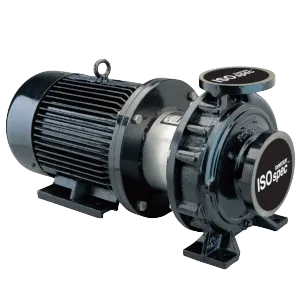
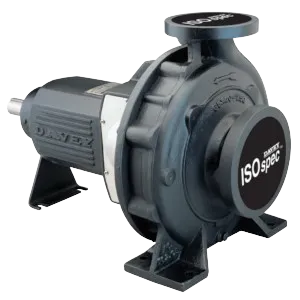


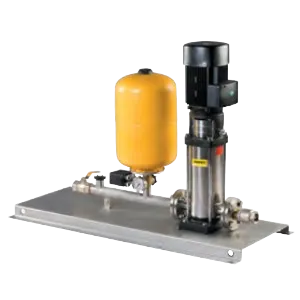

Industrial Water Pump In Individual Product View
Double Case Submersible Water Pump
General Purpose Dewatering Pump
Residential High Head Drainage Pump


Vortex Sump Pump
Single Channel Impeller Submersible Water Pump
Single Channel Impeller Submersible Water Pump - 316 Stainless Steel Models
Sewage Cutter Submersible Pump
Sewage Grinder Submersible Pump
KZN Slurry Pump
VM Vertical Multistage Water Pump
CS End Suction Pump - Single Phase Motors
CS End Suction Pump - Three Phase Motors
CM End Suction Pump
CM ISOSpec End Suction Pump
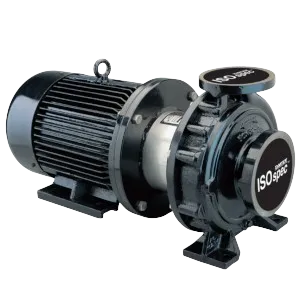
CF End Suction Pump
CF ISOSpec End Suction Pump - Diesel

Pump Skid
Industrial Water Pump
The history of pumps stretches back to ancient civilizations, with evidence showing they have been used for over 4000 years. One of the earliest known devices was the Egyptian shadoof, invented around 200 BC, a simple old water-lifting machine used along the Nile for farming, irrigation, and accessing well water. These early mechanisms, often illustrated in ancient diagram records, formed the basis of later designs such as the Archimedes screw, which could handle more large and heavy tasks. Over time, technological improvements led to more sophisticated systems, including the centrifugal pump and split case models, which expanded the capability of water movement. The rise of fuel-driven systems like the early diesel pump, powered by an engine capable of generating high pressure, further advanced applications in mining, firefighting through hose systems, and early water treatment processes. These innovations paved the way for the modern era of pump engineering, giving rise to submersible pumps, booster pumps, massive industrial units, and a wide range of models and materials produced by today’s pump suppliers, showcasing how pump power and technology have evolved since their beginnings in ancient Egypt.
With the industrial age, pumps transitioned from manual and fuel-driven systems to more efficient electric models powered by a motor or generator. This shift dramatically increased power output while reducing maintenance compared to older diesel engine designs. Electric pumps enabled new applications such as water treatment plants, municipal water supply, and large industrial operations. As electricity became widespread, submersible electric pumps were introduced for deep well use, while centrifugal pump technology advanced into modern booster pump systems. The introduction of electric models also standardized installation procedures, allowing industries like mining, automotive (car cooling systems), and farming to adopt reliable pump technology across different models. The move from fuel-burning engines to electric motors marked a major technological leap in efficiency and versatility.
Modern pump technology is incredibly versatile, serving countless industries from farming and irrigation to mining, fire safety, and transportation. In agriculture, big and high pressure pumps distribute water across massive fields, while submersible pumps keep wells functioning efficiently. In industrial sectors, centrifugal, split case, and booster pump systems handle water supply, chemicals, and water treatment processes. During emergencies, diesel pump units remain essential for fire hose operations in areas without stable electrical supply. Even smaller fields—like car manufacturing—use pumps for cooling, lubrication, and fluid circulation. This wide adaptability, supported by different materials, engine types, and installation methods, shows how pumps have become a core tool across multiple industries.
As demands grew, pumps became highly specialized for commercial and industrial environments through innovations in motor power, engine design, electric control systems, and application-focused engineering. Industries such as mining rely on heavy, massive pump units to remove groundwater, while factories use booster pump setups for consistent high pressure operations. Water treatment facilities use advanced centrifugal pump and split case systems designed to handle large volumes with reliability. Commercial buildings often integrate electric submersible pumps for drainage and emergency response, while remote locations depend on diesel engine pumps when electrical access is limited. Manufacturers and pump suppliers now offer a wide range of models— from small car cooling pumps to industrial diesel fire pumps to ensure that every application, whether at the top of a skyscraper or deep underground, receives the right flow, pressure, and material durability.
Characteristics of Industrial Pump
Like many commercial pumps, their design reflects the demands of industries that require reliable, consistent, and high-capacity performance. These pumps are engineered to meet rigorous standards, ensuring they can operate under large, heavy, or continuous workloads without compromising efficiency or stability. Their presence is common across a range of fields, demonstrating how their construction and capabilities have made them essential tools in modern industrial and urban operations. For example:
Stronger Motor
In commercial environments, where water flow must remain constant and capable of handling large, heavy, and continuous workloads, a stronger motor is essential. Unlike household electropumps, commercial centrifugal and split case pumps rely on powerful motors to deliver reliable torque and consistent high-pressure flow, even during peak demand. This strength ensures smooth operation across multiple floors, industrial lines, water treatment facilities, or irrigation systems, preventing interruptions that could reduce efficiency or damage equipment.
The advantage of a stronger motor is most visible when pumps handle challenging conditions, such as long pipelines, vertical lifting, or massive fluid volumes. It provides the resilience to respond instantly to pressure changes and maintain stability under stress. However, routine inspections of start-stop performance, heat tolerance, and rotation consistency remain crucial. In commercial operations, a robust motor is more than a feature—it is the backbone that keeps the system reliable, efficient, and ready for any high-demand situation.
Materials Science Emphasis
Commercial pumps often operate under demanding conditions, facing pressure fluctuations, abrasive particles, chemical exposure, and continuous flow. To withstand these challenges, their housing and volute are made from advanced materials like reinforced alloys, ductile iron, stainless steel, or engineered composites, rather than the standard metals or plastics found in household pumps. These materials resist corrosion, endure high pressure, and maintain stability under large and heavy industrial loads.
The volute, which directs and accelerates fluid in a centrifugal pump, benefits from these durable materials as well, preventing erosion, maintaining smooth internal flow, and ensuring efficiency over time. This focus on materials and precision engineering reduces maintenance downtime, minimizes the risk of structural failure, and guarantees reliable performance in industries such as mining, water treatment, and irrigation, even under continuous or harsh operating conditions.
Optimized For Industry-Specific Demands
Commercial pumps are engineered to meet the precise requirements of the industries they serve, rather than following a one-size-fits-all approach. Sectors such as water treatment, mining, agriculture, manufacturing, and fire protection have unique flow demands, pressure levels, fluid types, and environmental conditions. Each pump is configured with the appropriate motor strength, pressure rating, internal geometry, and materials to ensure reliable performance under its intended workload.
This specialization provides precision functionality, allowing pumps to handle exact operational needs without compromise. For example, irrigation pumps deliver steady flow across long distances, mining pumps withstand abrasive sediment, and fire protection pumps provide rapid high-pressure output. By matching pump design to specific tasks, industries benefit from stable performance, reduced wear, energy efficiency, and extended equipment lifespan, ensuring continuous and dependable operation.
Titanium For Seawater Expulsion / Dewatering
In applications involving seawater or highly corrosive liquids, titanium is used for pump components due to its excellent resistance to oxidation and acidic corrosion. This ensures the pump maintains performance without rapid wear or damage.
Using titanium extends the lifespan of the pump, reduces maintenance frequency, and allows it to operate reliably in harsh environments such as dewatering or seawater expulsion systems. It is a practical choice for tasks where durability under corrosive conditions is critical.
Grinder And/Or Cutter Pumps
Some pumps are fitted with a grinder or cutter to manage solids or semi-solids in the fluid. These components break larger particles into smaller pieces, reducing stress on internal parts like impellers and volutes.
This upgrade is particularly useful in industrial or agricultural settings where debris is present. By minimizing clogging and damage, the grinder ensures smoother operation, longer pump life, and reduced maintenance.
Semi-Open Or Closed Impeller Fittings
Pump impellers are selected based on the type of fluid and the operational requirements. Closed impellers are commonly used in Malaysia for water transfer, irrigation, and large-scale liquid processing, as they provide smooth, efficient flow and protect the pump from wear when handling clean or low-solid fluids. Their fully enclosed design helps maintain pressure and reduces the risk of damage to the internal components.
Semi-open impellers, on the other hand, are ideal for handling fluids containing solids, such as slurry, wastewater, bones, or manure. Their open design allows larger particles to pass through without clogging, making them suitable for industries where debris is common. Choosing the right impeller type ensures that the pump operates efficiently, reduces maintenance, and extends the lifespan of critical components under challenging conditions.
Purpose of Industrial Pumps in Different Sectors
Different industries depend on centrifugal pumps to support essential processes such as cooling systems, water circulation, fluid transfer, and pressure management. Their role varies according to operational needs, but the goal remains the same, which is to keep production or activity running smoothly and safely. For example:
Rainwater
Davey’s D23A/B, D42A/B, and D53A/B centrifugal pumps are engineered to handle a wide range of water conditions, making them suitable for rainwater transfer from tanks to gardens or household systems, where steady pressure and consistent flow are essential. They also perform reliably in stormwater and surface runoff scenarios, quickly moving large volumes of water to prevent flooding in areas such as construction zones and drainage pits. For greywater containing minimal soft solids such as septic tank pump-outs or light wastewater, they maintain efficient flow without clogging, ensuring smooth operation in small industrial and residential setups. Even in dirty water applications with less than 1% small hard particles like sand or fine sediment, these pumps withstand wear while delivering stable performance, making them practical for site dewatering, swimming pool drainage, or clearing muddy stormwater.
Drainage
Small Double Cased models DC10 and Small Dewatering Models D10 and D15 are built to manage rainwater, stormwater, and surface runoff in light commercial and industrial environments. They are commonly used to remove pooled water from basements, lift pits, rooftops, construction trenches, and low areas where accumulation can disrupt operations. For rainwater transfer, from storage tanks to gardens, facilities, or utility zones, the pumps deliver steady, reliable flow. During heavy storms, their fast drainage capability helps prevent flooding, protect equipment, and maintain safe work conditions. By clearing water quickly and efficiently, these industrial centrifugal pumps keep sites dry, stable, and functional during weather changes.
Dirty Water / Greywater
Double-cased model DCS40 and above, and Dewatering Models D25 and larger are designed to handle rainwater, stormwater, greywater with minimal soft solids, and dirty water containing small hard particles, making them suitable for a range of industrial and light commercial applications. These pumps are commonly used to move water from septic tank pump-outs, manage site dewatering, drain swimming pools, or clear stormwater and surface runoff, ensuring continuous, reliable flow and protecting equipment and operational areas from flooding or accumulation. For rainwater, they efficiently transfer water from storage tanks to gardens, facilities, or utility zones, while greywater and lightly contaminated water are pumped without clogging or reduced performance. Even when handling dirty water with less than 1% small hard solids, their durable construction allows for sustained operation with minimal wear, maintaining system stability across industrial sites. For fountains, however, a more suitable alternative is recommended for the D25 and larger dewatering models to ensure optimal performance and longevity.
Wastewater / Effluent / Sewage
Single Channel Models (S): Designed for general wastewater transfer where moderate solid handling is required, making them suitable for stormwater, surface runoff, greywater with limited soft solids like septic pump-outs, and dirty water containing small hard particles. These pumps can also manage fluids with up to 10% soft solids—such as semi-screened sewage, stock effluent, and grease-trap waste— thanks to their single-channel impeller that promotes strong, uninterrupted flow. In industrial and commercial settings, they are commonly used in treatment plants, effluent pits, and collection wells where predictable throughput is essential. However, for rainwater transfer or decorative fountain applications, better alternatives are recommended due to the pump’s heavy-duty design and solid-handling focus.
Vortex Models (V): Built for wastewater environments that contain irregular or fibrous materials, offering excellent clog resistance through their recessed impeller design. They handle rainwater, stormwater, and greywater with ease, while also accommodating dirty water and fluids with up to 10% soft solids, including semi-screened sewage, effluent, and grease trap waste. A key advantage of vortex pumps is their ability to manage medium volumes of hair—making them ideal for dog-washing centres, abattoirs, grooming facilities, and industrial washdown systems. Industries rely on these pumps when maintenance-free operation is crucial, especially in places where clogging is a frequent risk. As with similar models, vortex pumps are not suitable for rainwater transfer-to-home or fountain features, hence the recommendation for more appropriate alternatives.
Cutter Models (K): Designed for wastewater systems where soft solids, fibrous matter, and stringy materials are present. Equipped with a cutting mechanism at the inlet, these pumps efficiently break down materials found in laundromats, textile industries, animal washing facilities, and food-processing environments. They also support greywater handling, septic tank pump-outs, and wastewater containing up to 10% soft solids such as effluent and grease-trap residues. The cutting action helps prevent clogging and ensures consistent flow through pipelines, making these pumps valuable in industrial setups that face frequent blockages due to fibres, cloth fragments, or organic waste. Like other models in this category, they are not recommended for fountain usage or simple rainwater transfer, where cleaner-water pumps perform more efficiently.
Grinder Models (G): Feature a high-torque grinding assembly designed to handle the most demanding wastewater applications, including raw sewage containing sanitary products and fibrous materials. They excel in environments where solids must be reduced to fine particulates before entering pipelines—such as hospitals, residential sewage networks, food factories, laundromats, and commercial buildings. These pumps also manage greywater and fluids with up to 10% soft solids, providing reliable performance even when faced with stringy or abrasive waste. Their grinding capability ensures smoother flow, reduces the risk of pipe blockages, and supports long-distance sewage transfer under pressure. Due to their specialised design, grinder pumps are unsuitable for rainwater or fountain systems, where non-wastewater alternatives deliver better efficiency and performance.
Sludge and Slurries: Sludge & Slurry Models (KZN) are engineered for extremely demanding environments where water contains high levels of solids, making them ideal for stormwater, surface runoff, greywater with minimal soft solids such as septic pump-outs, and dirty water with small hard particles typically found in construction or industrial sites. These pumps also excel in handling water with up to 10% soft solids—like semi-screened sewage, stock effluent, or grease-trap waste—and even heavy slurries containing particles up to 35 mm and up to 70% by weight, such as sand, mining slurries, and building-site wastewater. Their robust construction allows continuous operation without clogging, ensuring reliable fluid movement in harsh industrial settings where standard pumps would fail. However, for rainwater transfer and fountain applications, better alternatives are recommended due to the specialised nature of KZN pumps and the incompatibility between delicate fountain systems or clean-water transfer and the heavy-duty slurry design.
Engineered for Continuous, Long-Duration Operation
Industrial water pumps are specifically engineered to endure prolonged and uninterrupted running hours, a requirement frequently seen in sectors such as water treatment, mining, district cooling, heavy manufacturing, and large-scale irrigation. These operations depend on pumps that can maintain stable flow without fluctuations, even when subjected to intense workloads or demanding environments. To meet these expectations, all Davey industrial pump collections are built with reinforced motors, high-grade bearings, and advanced cooling architectures that help dissipate heat effectively during continuous operation. Every component, from the volute material to the impeller geometry is optimized to minimize mechanical fatigue, prevent overheating, and sustain high-pressure output over long durations, ensuring dependable performance when run for hours or even days at a time.
This capacity for extended operation is equally vital for reducing downtime and supporting seamless productivity across industrial systems. Facilities relying on constant water transfer cannot risk sudden pressure drops, cavitation issues, or unexpected motor shutdowns. Davey’s industrial-grade pumps address this by incorporating tighter tolerances, durable sealing systems, and efficient lubrication pathways that significantly reduce wear throughout prolonged cycles. When paired with scheduled maintenance and condition monitoring, Davey’s pumps are fully capable of operating around the clock with consistent reliability. Their long-duration endurance not only enhances operational stability but also maximizes equipment life, making Davey pumps a critical asset for any commercial or industrial setting where continuous duty is essential.
Spare Parts Availability
It is part of Davey Malaysia’s commitment to transparency and long-term service support to ensure customers understand that all spare components for industrial water pumps are dependent on the pump’s specific model and the availability of those parts within the service network. Industrial systems use a wide range of configurations, centrifugal pumps, split-case pumps, multistage boosters, or specialized water treatment pumps— meaning each unit carries its own set of compatible components.
Many of the replaceable parts, such as volutes, mechanical seals, gaskets, wear rings, and O-rings, function as protective or structural elements within the pump. These components are never replaced for aesthetic reasons; rather, they serve to preserve the pump’s internal efficiency and prevent operational decline caused by long-term wear, continuous high-pressure cycles, abrasive water content, or chemical exposure. Over time, industrial pumps naturally experience wear from demanding conditions, making periodic replacement of these parts necessary to maintain peak performance.
In more severe cases such as prolonged dry running, handling water with heavy sediment, or exposure to corrosive materials, additional components like impellers, diffusers, sleeves, bearings, or coupling elements may show accelerated deterioration. While optional safeguards like external sensors, smart control panels, and pressure protection systems can help reduce the frequency of such issues, industrial pumps are ultimately designed for fixed installations and constant operation, meaning their internal components must be kept in healthy condition through scheduled inspections and timely replacements.
To ensure the correct spare parts are sourced efficiently, customers are encouraged to provide the serial number and model identification of their industrial water pump. This allows Davey Malaysia to verify part compatibility, assess replaceability, and determine whether the pump can be restored through standard repairs or requires specialized refurbishment. With proper documentation and support, Davey ensures that each industrial unit continues running reliably, safely, and in alignment with its original performance standards.
Maintenance Schedule
Maintenance for industrial water pumps often depends on the availability, workload, and scheduling of certified technicians appointed to handle commercial or large-scale equipment. Unlike simple household units, industrial pumps require trained personnel who understand the system layout, pump specifications, safety considerations, and site requirements. As such, the maintenance timeline can vary depending on the facility’s accessibility, the condition of the pump, and the readiness of the appointed service team.
As a manufacturer and pump supplier in Malaysia, Davey does not perform direct on-site servicing for end users, as we uphold our long-standing partnerships with authorised dealers and service providers. These dealers are trained, approved, and entrusted to handle installations, troubleshooting, and scheduled maintenance for all Davey industrial pump models across different industries. Because of this structure, Davey Malaysia cannot provide an exact timeframe for how quickly a maintenance request can be completed, as it will always depend on the dealer’s current schedule and resource availability.
However, what Davey Malaysia can do is assist by coordinating with recognised and authorised dealers to identify the earliest available technician for the task. Whether it involves standard servicing, preventive maintenance, or emergency inspection, we will help connect you with a qualified dealer who can carry out the required work as soon as possible, ensuring your industrial water pump is restored to safe and reliable operation without unnecessary delays.
Industrial Water Pump Frequently Asked Questions (FAQs)
What industries commonly use industrial centrifugal pumps?
Industrial centrifugal pumps are essential in sectors such as agriculture, water treatment, HVAC (Heating, Ventilation, and Air Conditioning), fire protection, and manufacturing. Each industry relies on the pump’s ability to deliver stable flow and consistent pressure under demanding conditions. Davey Malaysia provides a range of models suitable for these applications through its authorised dealers, ensuring customers receive pumps that match real operational needs.
How often should an industrial centrifugal pump be maintained?
Maintenance frequency depends on operating hours, load, and environmental conditions. As a general guideline, pumps should be inspected every 3 – 6 months, while continuous-duty systems may require more frequent servicing. Although Davey Malaysia does not handle maintenance directly, we work closely with authorised dealers who provide professional servicing, inspections, and long-term maintenance support based on the specific pump model.
Why is material selection important for industrial pumps?
The material used in the pump housing, volute, and impeller determines how well it resists corrosion, abrasion, and chemical exposure. Industrial environments demand stronger materials such as stainless steel, reinforced alloys, or engineered composites to ensure long operational life. Davey Malaysia’s catalogue includes pumps designed with durable materials tailored for heavy-duty industrial applications, helping customers choose models that withstand harsh conditions.
How do I know which centrifugal pump model fits my industry’s needs?
Choosing the correct pump requires understanding factors such as required flow rate, pressure, fluid type, installation conditions, and duty cycle. Instead of guessing, customers are encouraged to consult Davey Malaysia’s authorised dealers, who are equipped to provide professional recommendations based on site requirements, pump specifications, and system design. This ensures the selected pump performs efficiently without being oversized or underpowered.
Do centrifugal pumps work well with viscous fluids?
Standard centrifugal pumps lose efficiency as viscosity increases, leading to lower flow and higher energy consumption. For medium-viscosity fluids, derating calculations are required, while very viscous fluids typically demand alternative pump types such as positive displacement pumps.
How do I determine the correct pump size for my application?
Pump sizing depends on several factors: required flow rate, total head (vertical lift + friction losses), the type of fluid being pumped, and the operational duty cycle. Engineers typically use pump curves to match system demands with a model that can deliver optimal performance without overloading or cavitating.
What causes cavitation in industrial centrifugal pumps?
Cavitation occurs when the pressure at the pump inlet drops below the fluid’s vapor pressure, creating vapor bubbles that collapse violently inside the impeller. This leads to noise, vibration, and damage to the impeller surfaces. Ensuring adequate Net Positive Suction Head (NPSH) and proper suction line design helps prevent cavitation.
Why does my pump lose efficiency over time?
Efficiency loss is often due to wear on the impeller, erosion from abrasive particles, buildup of debris, or degradation of the mechanical seal. Regular inspection, cleaning, and timely replacement of worn parts help maintain the pump’s original performance levels.
Can centrifugal pumps handle hot water or high-temperature fluids?
Yes, but the pump must be designed with suitable materials such as high-grade stainless steel, temperature-rated elastomers, and appropriate mechanical seals. Excessive heat can affect lubrication, cause seal failure, and reduce motor lifespan if the pump isn’t properly rated.
What is the impact of abrasive solids on pump lifespan?
Abrasive particles such as sand, grit, or slurry accelerate wear on impellers, volutes, and seals. Over time, this increases internal clearances, reducing efficiency and flow. Pumps designed with hardened materials, wear plates, or replaceable liners are recommended when handling abrasive fluids.
Why do industrial pumps need priming?
Priming removes air from the suction line so the pump can create the necessary vacuum to draw fluid. Submersible pumps self-prime because they operate underwater, but surface-mounted centrifugal pumps must be primed before each operation unless equipped with a self-priming chamber.